

Physical Therapist Job Description
What Does a Physical
Therapist Do?
What Does a Physical
Therapist Do?
Physical Therapists (PTs) are in high demand in healthcare, playing a crucial role in patient rehabilitation, mobility improvement, and pain management. They work in hospitals, outpatient clinics, rehabilitation centers, and home health settings, helping individuals recover from injuries, surgeries, or chronic conditions. This guide breaks down the key responsibilities, required skills, education, and certifications for becoming a physical therapist—and how to build a successful PT career in today’s growing healthcare industry.
Understanding the Role
Key Responsibilities of a Physical Therapist
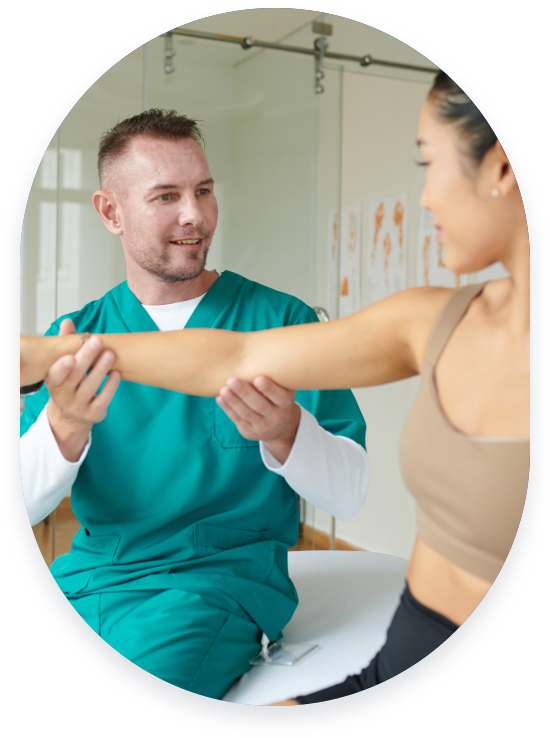
Physical Therapists assess, diagnose, and treat patients with movement dysfunctions, injuries, or chronic conditions. You will develop personalized treatment plans, guide patients through therapeutic exercises, and utilize hands-on techniques to improve mobility and relieve pain. Your role is critical in helping patients regain independence and quality of life. Physical Therapists are essential in post-operative care, sports injury recovery, and chronic condition management, making them key contributors to patient outcomes across diverse healthcare settings.
Explore OpportunitiesOpportunity Awaits
John was placed 18 years ago, and he's still making a difference today.
Real Stories. Real Impact.
Meet John — a dedicated Physical Therapist whose journey in healthcare has been defined by growth, compassion, and impact. John’s experience in the field has sharpened his skills, allowing him to deliver exceptional care to patients and meaningful support to the families he works with every day.
Doctor of Physical Therapy (DPT) vs Master of Physical Therapy (MPT) vs Physical Therapist Assistant (PTA)
What’s the Difference?
A Physical Therapist (PT) must earn a Doctor of Physical Therapy (DPT) degree, which is required for licensure. The Master of Physical Therapy (MPT) was previously accepted but has been phased out. A Physical Therapist Assistant (PTA) holds an associate degree and works under the supervision of a PT.
According to the American Physical Therapy Association (APTA), DPT programs emphasize evidence-based practice, clinical expertise, and patient-centered care.

Therapy Tools & Technology
What Equipment Does a PT Use?
Therapeutic Exercise Equipment – Resistance bands, balance boards, and weights to improve strength and coordination.
Gait Training Devices – Walkers, crutches, and parallel bars for mobility rehabilitation.
Ultrasound Therapy Machines – Reduce pain and promote tissue healing.
Electrical Stimulation Devices – Help strengthen muscles and alleviate pain.
Cold & Heat Therapy Packs – Manage inflammation and enhance circulation.
Manual Therapy Techniques – Hands-on stretching, joint mobilization, and soft tissue massage.
Assistive Technology – Braces, orthotics, and prosthetics for enhanced patient mobility.
Physical therapists learn to use rehabilitation equipment through formal education, clinical training, and hands-on patient care. Keep reading to learn about the qualifications required to be a PT.
Education and Certification
Required Qualifications and Skills for a Physical Therapist
To become a successful Physical Therapist, you'll need a Doctor of Physical Therapy (DPT) degree, completion of clinical rotations, and licensure through the National Physical Therapy Examination (NPTE).
Critical thinking, strong communication skills, and the ability to motivate patients are essential in this role. Continuing education and specialization certifications can open additional career opportunities.

Physical Therapist Job Description Template
Writing Attractive Resumes & Job Postings
If you’re a job seeker, tailoring your resume to match an employer’s job description can help you land an interview. As a recruiter or hiring manager, writing a clear and accurate job listing ensures you attract candidates who align with your needs. This template includes key requirements of every PT position as a base:
Responsibilities
- •Assess and diagnose patient movement impairments and functional limitations.
- •Develop and implement personalized treatment plans.
- •Guide patients through rehabilitative exercises and mobility training.
- •Use therapeutic modalities such as manual therapy, ultrasound, and electrical stimulation.
- •Educate patients on injury prevention and lifestyle modifications.
Requirements
- •Education: Doctor of Physical Therapy (DPT) from an accredited program.
- •Certification: State licensure through NPTE.
Skills
- •Strong knowledge of human anatomy, biomechanics, and rehabilitation techniques.
- •Excellent communication and interpersonal skills.
- •Ability to motivate and encourage patients through recovery.
- •Experience with therapy documentation and patient records.
Stand Out by Bringing More Than Just Clinical Skills
What Employers Really Look for in a Physical Therapist
Healthcare employers are looking for more than just a DPT—they want physical therapists who bring empathy, adaptability, and strong communication to every patient interaction. Beyond clinical expertise, top PTs are known for their ability to build trust with patients, collaborate with interdisciplinary teams, and customize care plans that drive measurable outcomes. Employers value professionals who stay up to date with treatment innovations, demonstrate leadership, and take a proactive role in patient education and progress tracking.
Physical Therapists who show initiative, compassion, and a results-driven mindset are often the ones who grow fastest in their careers.

Find Physical Therapist Jobs in Your Area
Explore a wide variety of physical therapy job listings across hospitals, outpatient rehab centers, skilled nursing facilities, sports medicine clinics, and private practices. Whether you’re looking for full-time, part-time, per diem, or travel PT roles, Stelmo connects you with top healthcare employers actively hiring licensed Physical Therapists (DPTs) nationwide. Our expert recruiters help match your skills, specialties—such as orthopedics, neuro, or pediatrics—and location preferences to the right opportunities, so you can advance your career and make a real impact on patient outcomes.
Explore Jobs

Everything You Need to Land Your Next Role—With Help From Stelmo
Advance Your Career as a Physical Therapist
At Stelmo, we’re dedicated to helping you succeed in your physical therapy career. This page includes everything you need to move forward—from understanding PT responsibilities and licensure requirements to preparing for interviews and crafting a resume that gets noticed. Fill out the form to connect with a recruiter who will guide you through the process and help you secure your next physical therapist position with a top healthcare employer.